
Astonomers and physicists find themselves scratching their heads over dark matter, this cosmic conundrum hiding out in the vast sea of stars. Invisible to our eyes and elusive under the gaze of typical science tools. dark matter comprises a whopping 85% of the universe’s mass. It moves through space meddling with how galaxies spin and morphing the architecture of the cosmos itself.
Uncovering the Ghost

Unlike stars, planets, and even people dark matter stays in the dark since light doesn’t hit it. It can’t give off, soak up, or bounce back light, so no telescope can spot it. But it’s totally real, cause the way it yanks on stuff we can see doesn’t lie.
Astronomers have spotted galaxies spinning way faster than they should, if you consider the gravity from celestial objects we can see. That’s a hint there’s extra invisible mass around — dark matter. It’s pretty much like a ghost hanging out in the dark pulling things with gravitational force, but it stays hidden from our eyes.
Clues from the Cosmos
Even though we can’t see dark matter, it drops some pretty cool clues that it’s real. Take a peek at how galaxies spin. There’s this chart thingy — rotation curves, they’re called — that shows how quick stars and gas twirl around a galaxy’s middle. Looking at it, you’d think the galaxy edges shouldn’t be moving so quick based on the stuff we can see. But they are! So, scientists think there’s this extra invisible matter, which we reckon is dark matter making everything go vroom faster than expected.
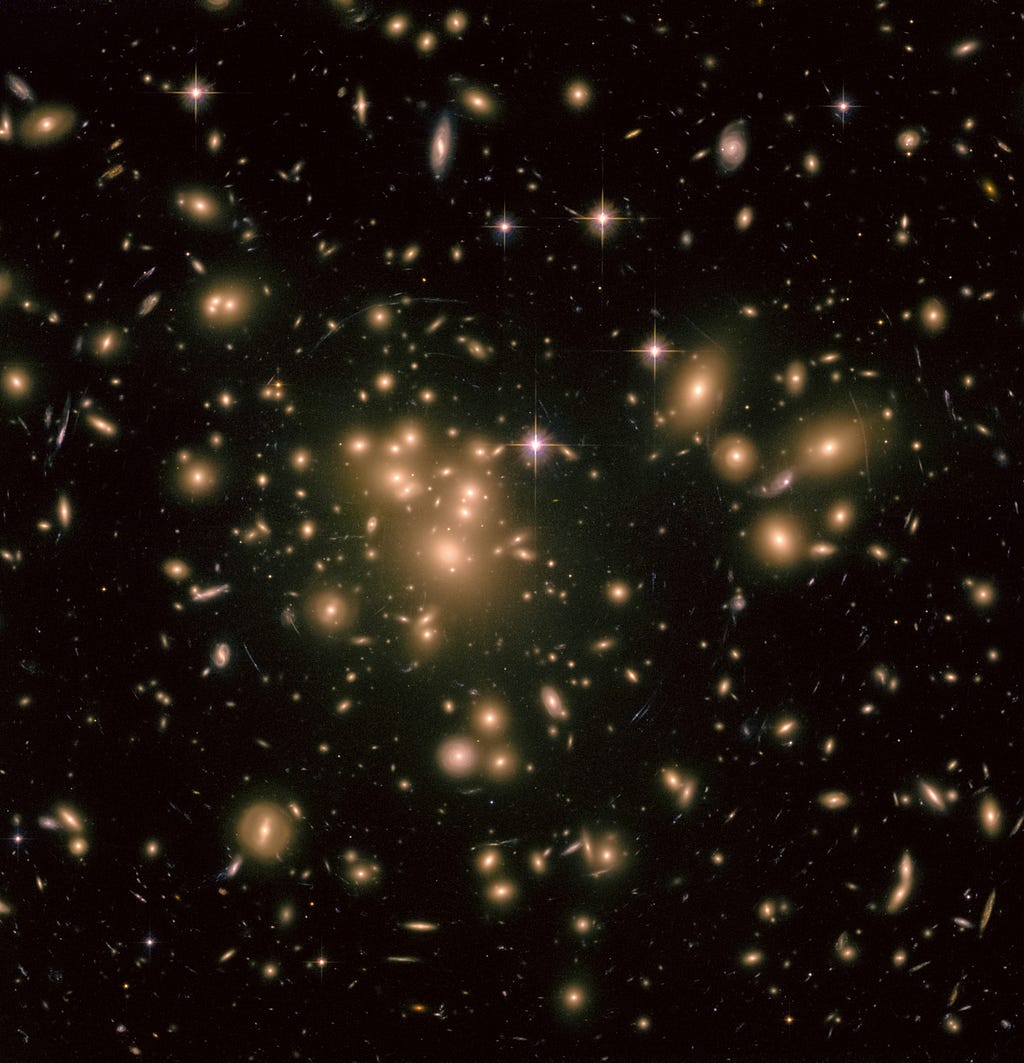
Gravitational lensing gives us another hint. As light from far-off galaxies zips through space and smacks into big stuff like clusters of galaxies, gravity bends it. This bend works like a huge cosmic magnifying glass warping the images of galaxies far far away. It’s like invisible dark matter is doing the extra bending.
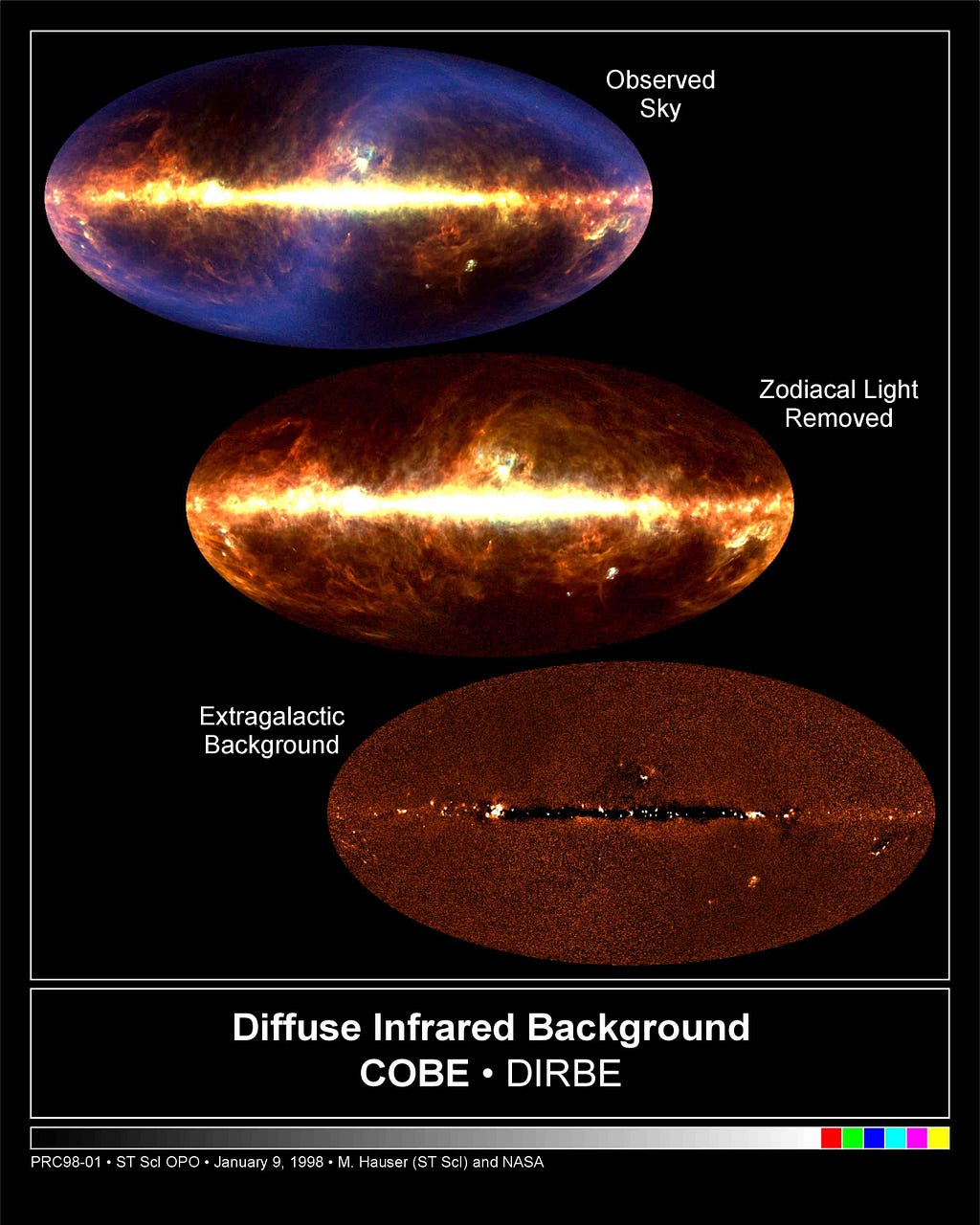
Then there’s the cosmic microwave background (CMB) — that’s like a faint echo from the Big Bang’s boom. The CMB has these little blips in how warm or cool it is, and those blips paint a picture of how stuff was spread out when the universe was just a born. These tiny temperature twist-ups are like breadcrumbs leading us to believe dark matter was hanging around since the universe’s birth.
On the Quest for What You Can’t See
Chasing down the secrets of dark matter is tough, but scientists aren’t giving up. This tricky-to-find stuff has them on a non-stop search using all sorts of plans. One way they’re trying to spot dark matter is through direct detection experiments. These involve creating super sensitive detectors and sticking them way underground to shield them from random noise from background and cosmic rays. The goal is to catch the rare moments where dark matter bumps into regular matter.
Astronomers employ space telescopes to search for clear signs of dark matter breaking down or vanishing. During crashes dark matter bits might knock each other out sending out signals such as neutrinos or gamma rays that we can spot. Scopes designed for grabbing these signals let us sneak a peek at dark matter features.
Why Should We Care?
Digging into dark matter does more than just scratch an academic curiosity; it’s Super important for getting the big picture of the universe. Dark matter’s like a cosmic building block, and figuring out what it’s all about helps us put together the puzzle of how the universe got its shape and grew up.
Moreover dark matter might be the secret to discovering new physics that goes beyond the Standard Model, which is our current main theory about particles. Getting to know dark matter could bring about incredible finds and progress in how we understand the core rules that the universe follows.
The Future is Dark (Matter)
Trying to figure out dark matter’s mysteries is super exciting and tests the limits of what we know. With researchers getting their hands on better tools and going for bigger experiments, chances of catching this space ghost seem more and more likely.
Future astronomers and physicists might uncover the secrets we’re after buried deep in space’s depths. It’s a big weird place, the universe, and dark matter is one of its puzzles. Yet the more we explore the cosmic depths, the nearer we get to solving riddles that have baffled us through the ages.
In the vast puzzle of the cosmos dark matter threads itself into the weave of space-time. It observes galaxies as they spin and twirl, a shadow harboring clues to what has been, what is, and what’s to come in the universe. Trying to grasp what dark matter is all about is like an adventure into uncharted territory. This challenge could change how we see the stars above and where we stand among them.

