
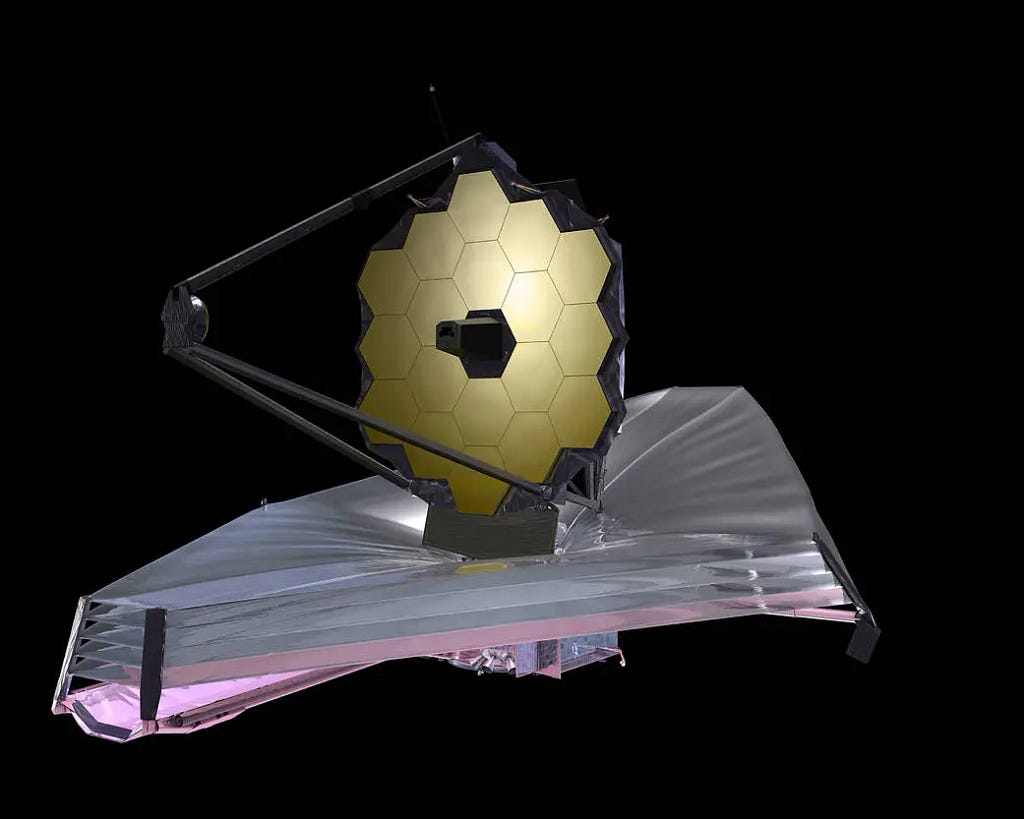
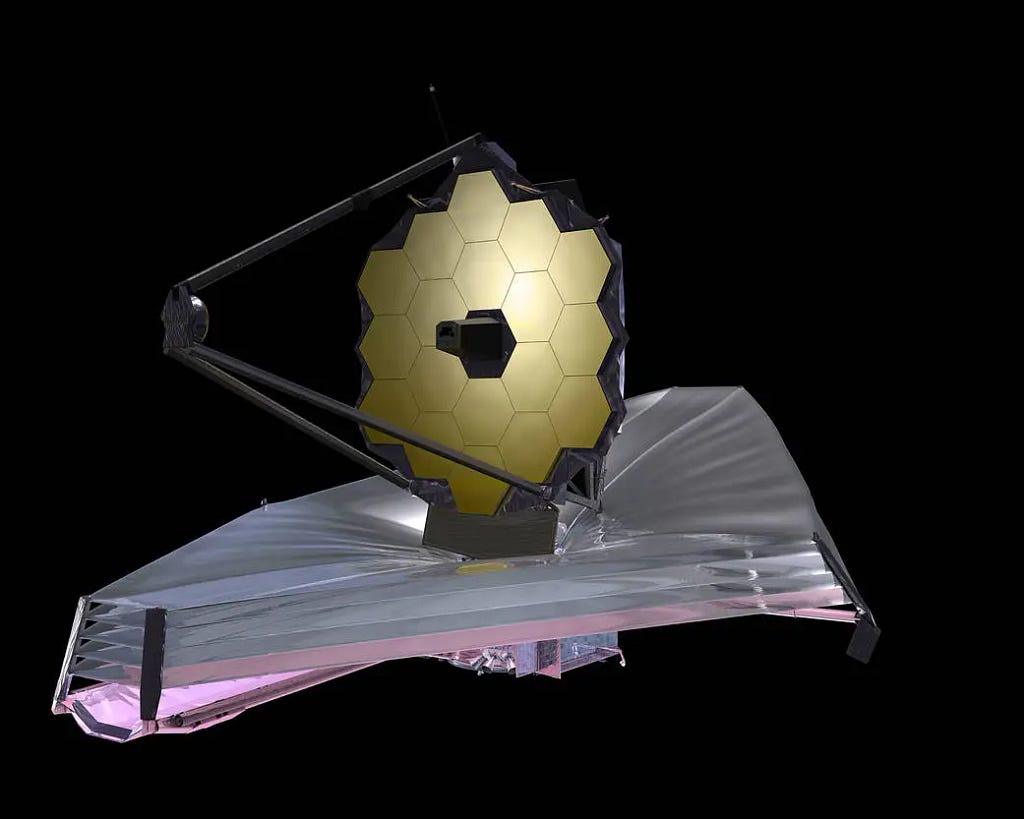
Since its launch in December 2021, the James Webb Space Telescope (JWST) has been a game changer in our understanding of the universe. It can look much further into space than any other telescope on Earth, revealing secrets that were previously hidden and calling long-held beliefs into question. This article will focus on some of the most amazing findings made by JWST which are indicative of the vast potential held by this extraordinary observatory.
Unveiling the Early Universe:
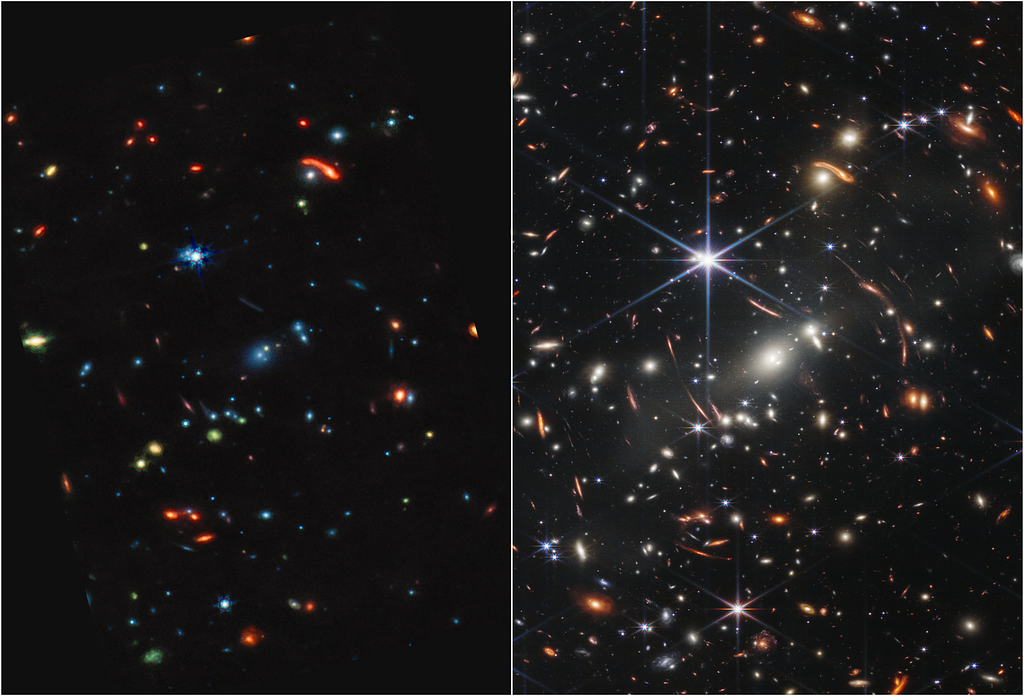
JWST’s unprecedented infrared sensitivity enables it to receive light from galaxies formed soon after the Big Bang. These ancient galaxies existed when the universe was only a few hundred million years old and provide important insights into how galaxies and even the early universe itself may have evolved. The observations made with this telescope however show a wide range of such earliest knowable stars which goes against what we knew about their formation and evolution.
Exoplanetary Atmospheres and the Hunt for Life:
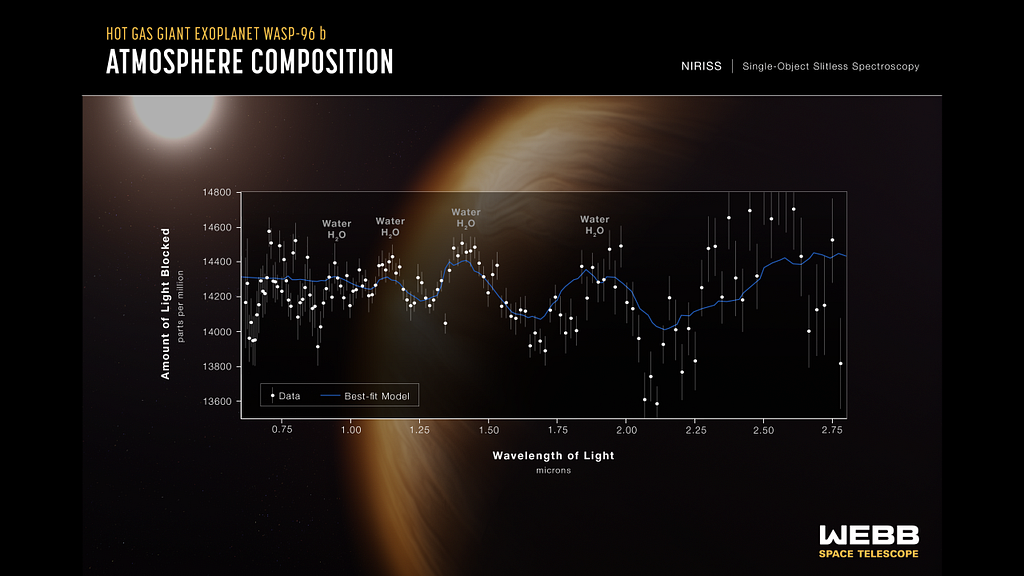
Among the most thrilling elements of JWST’s mission is its ability to examine exoplanet atmospheres, planets that rotate around stars other than our star. By investigation of light passing through these atmospheres, JWST can detect presence of certain molecules like water vapour, carbon dioxide, and methane. These data are vital in establishing whether exoplanets are potentially habitable and if life exists outside Earth.
Stellar Nurseries and the Birth of Stars:
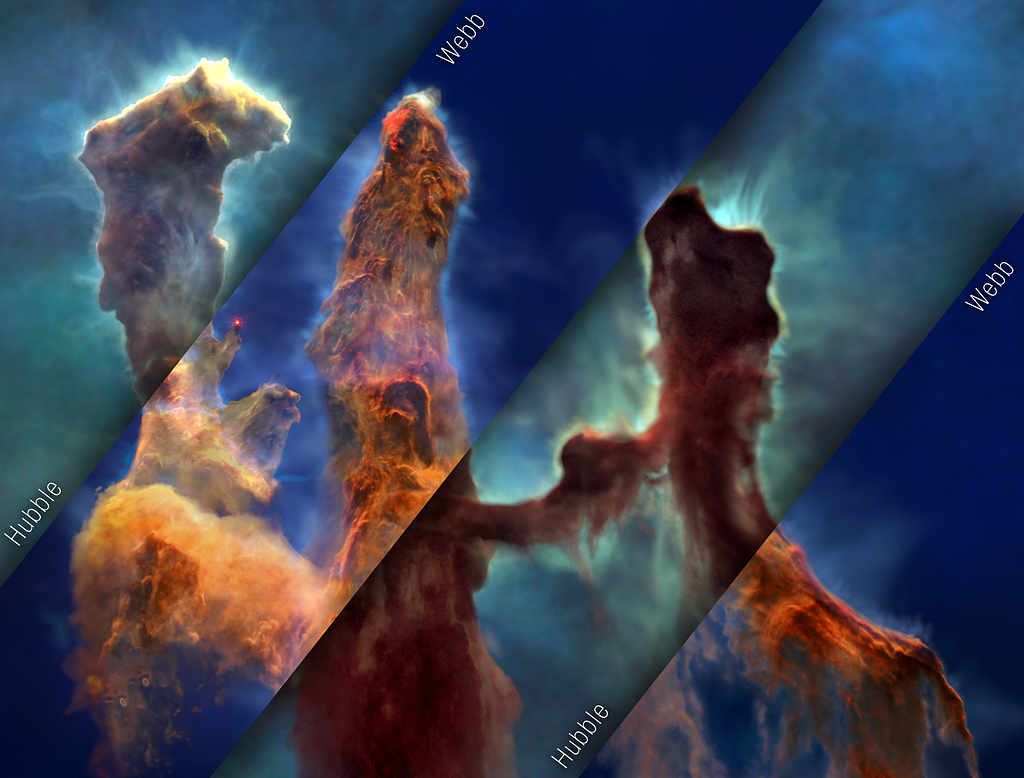
JWST’s infrared vision has given us never before seen images of stellar nurseries, which are dense collections of gas and dust where stars originate. Through these facts astronomers have identified wide-ranging information on how stars evolve as well as their solar systems which is made up of gravity, energy emission and magnetic forces. This understanding has enabled scientists to update their knowledge about planetary systems and star shapes in a bid to get some hints about the origin our own solar system.
The Black Holes mysteries:

In addition to that, the understanding about black holes, these unknown objects whose gravity is so strong that not even light can escape it has been enhanced by JWST. The telescope has detected supermassive black hole located at the center of our galaxy — milky way and other in far off galaxies as well. These observations are providing valuable data on the growth and evolution of black holes, their impact on their surrounding galaxies, and their role in the structure of the universe.
The Dance of the Penguin and the Egg:

JWST has captured stunning images of Arp 142, a pair of interacting galaxies nicknamed the “Penguin” (NGC 2936) and the “Egg” (NGC 2937). These galaxies are engaged in a cosmic dance, with their gravitational forces distorting their shapes and triggering intense star formation. The Webb Telescope’s observations provide a detailed look at this galactic interaction, offering valuable insights into the processes that shape and transform galaxies throughout the universe.
Other Notable Discoveries:
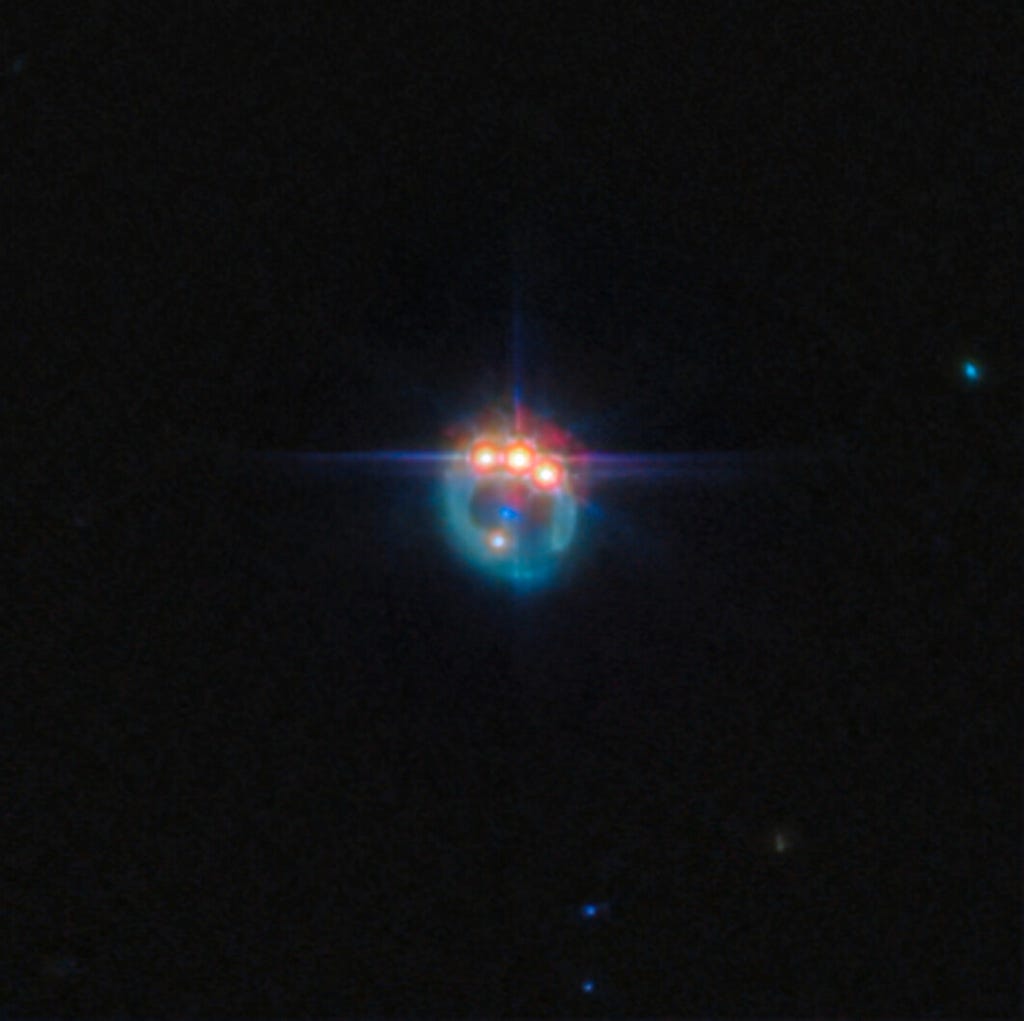
In addition to these major areas of research, JWST has made numerous other discoveries, including:
— The most distant galaxy ever observed, dating back to just 325 million years after the Big Bang.
— The presence of water vapor in the atmosphere of a rocky exoplanet, suggesting the possibility of liquid water on its surface.
— The discovery of complex organic molecules in the atmospheres of young stars, providing clues about the chemical origins of life.
— The observation of a rare type of supernova, shedding light on the explosive deaths of massive stars.
The Future of JWST:
The James Webb Space Telescope is still in its early stages of operation, but it has already revolutionized our understanding of the universe. As astronomers continue to analyze the vast amounts of data collected by JWST, we can expect even more groundbreaking discoveries in the years to come. This remarkable observatory has the potential to transform our view of the cosmos and answer some of the most fundamental questions about our place in the universe.

